Isabela Island | The Galapagos
During my first month in Isabela I regularly heard and began to use the phrase “Island Time” – at first I didn’t understand but as that first week drew to a close I knew that Isabela is the perfect home away from home. Island Time reminds me of the tortoise – everything is slow and controlled similiar to their relaxed calculating method which has allowed them to succeed even when it hasn’t always been such a success. Everyday the sunrises and the day ahead is beautiful, usually crystal clear skies and a basking heat but even in the rain – the island seems to enjoy the temporary down poor and within minutes of the rain settling the locals emerge and begin to surf behind pick up trucks.
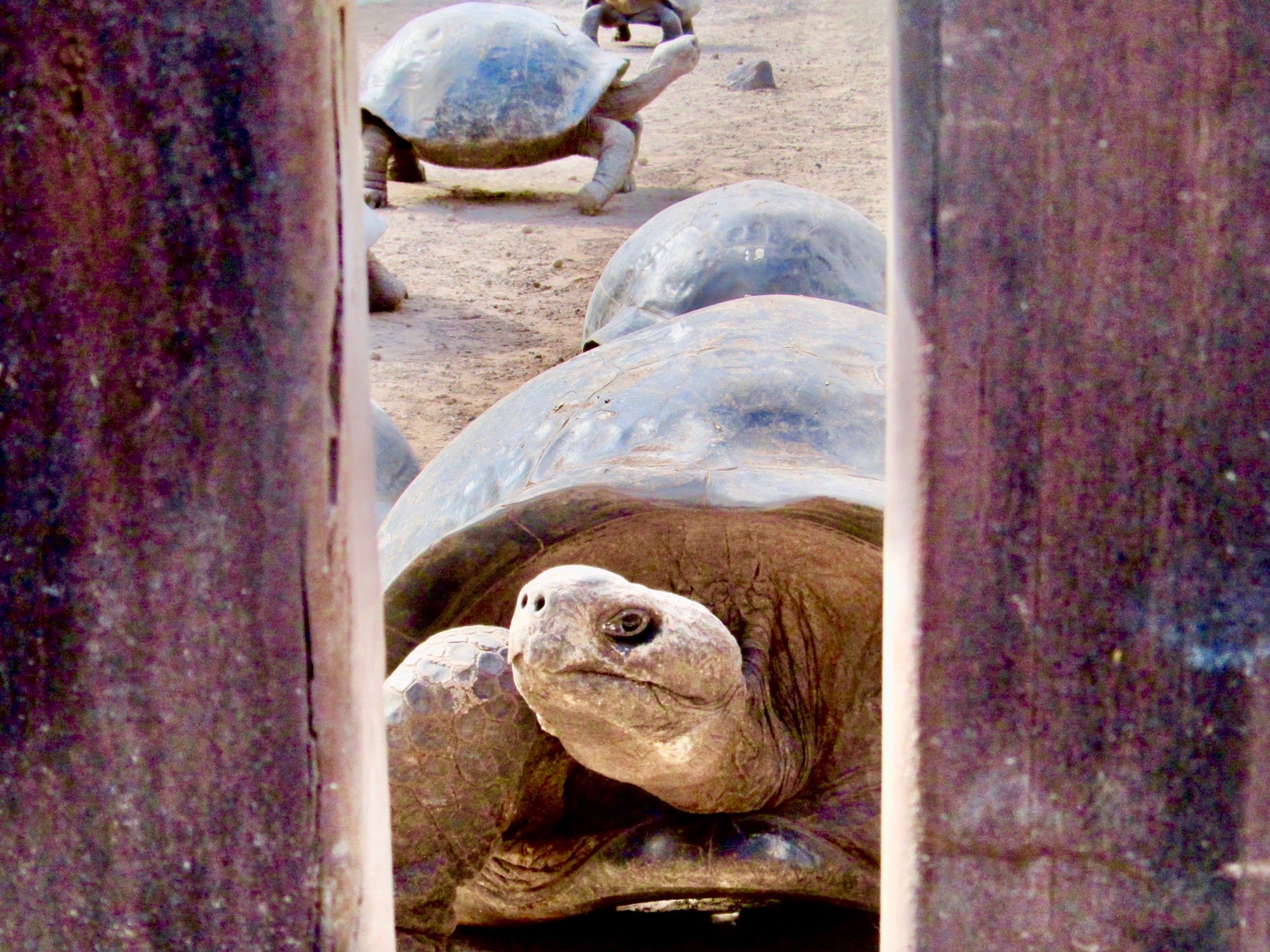
The people of the island posses similar natural characteristics to perhaps one of the most famous inhabitants of Isabela, the tortoise. Having only spent a week on Isabela I can see that this is true. Isabela seem’s to win the race yet being so small in size and population. The island is a delicate balance between conservation, tourism and local interests – the Galapagos island’s are 97% national park and the main source of income for families alongside fishing is ecotourism.
The Galapagos wasn’t always such a success – many years ago the Galapagos Tortoise was nearly hunted to extinction and the situation grew even worse when fishermen bought goats to the island – their feeding habitats destroyed the native vegetation and the population of Galapagos Tortoises was seriously affected.
This laid fundamental groundwork for the pioneers of the Galapagos eco-tourism. They created a well-organised visitation which involve’s using locally owned and low-impact materials. The Galapagos National Park designated more than 60 visitor sites on the islands, each with clearly marked trails and the requirement for certified naturalist guides to visit the sites at all times – have been enforced since the introduction of the GNP. Hiring in professionals to reduce the goat population they begun to see the remarkably effective results and a growing population of tortoise’s.
Volunteers with IOI can work at the tortoise conservation centre – a role which the current volunteers really enjoy. The weekly tasks involve feeding the tortoises three days a week, cleaning the corrals, assisting with measuring and tracking the growth progress of the tortoises. The volunteers are really enjoying working with the park staff Oscar and Pato who have a multitude of experience and love sharing there knowledge with the volunteers as they have been working at the conservation for many years. Working in the tortoise centre is a great opportunity to witness the tortoises in a minute portion of their life. For park staff Oscar and Pato – they won’t see the majority of their tortoises released into the wild or even reach the half way point in their lives as the tortoises lives for over 100 years but the work they are doing is imperative to the long-term conservation of the tortoise, and the preservation of the Galapagos name-sake.
It seems that Isabela and the Galapagos as a whole have succeeded where other’s have failed making the majority of the island a national park, protected and safe they have been able to maintain some endemic species. Island Time is the calm, relaxed way in which the island operates and it seems that despite the slower pace of the island – the success is greater than can often be found in more developed countries with a faster lifestyle. What struck me most in my first week was how relaxed the wildlife, due to the protection from the National Park Rules. The wildlife is unfazed by human presence – simply make way for them as its there land they are free to roam.
 Georgia In The Jungle
One thought on “Island Success Story”