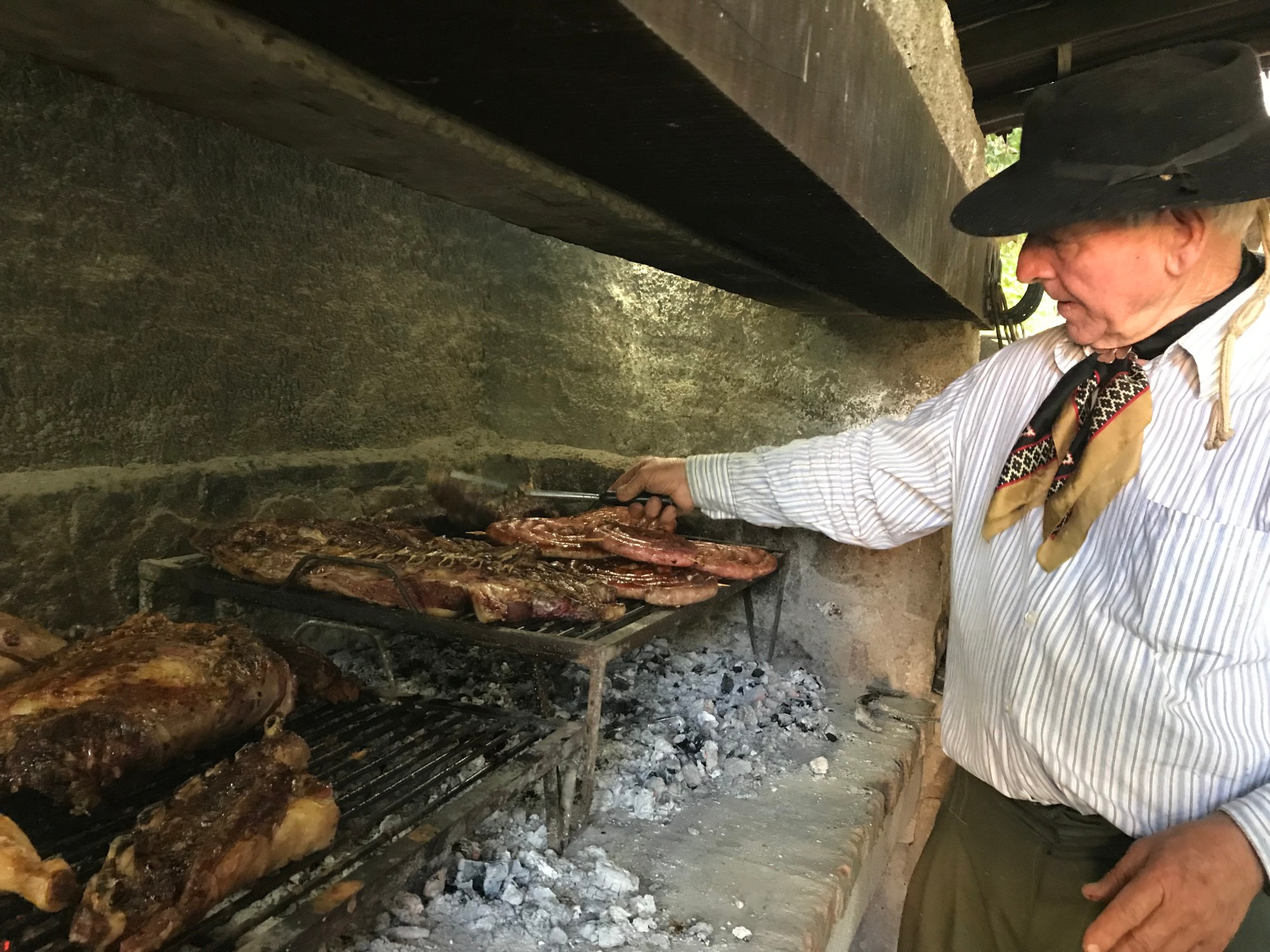
9 months in Argentina is almost up and today is the day I am going to try and enlighten you on the art of the asado. Although I am typically not the typical “asador” being a english girl, but over my season here I have learnt a few things about cooking meat.
The Argentine asado (or barbecue) is more than just a meal; it is an integral part of Argentine life. The default option for celebrating birthdays, special events, and holidays, or simply just an excuse to gather with family and friends, asado’s tend to be long, drawn-out meals stretching through the afternoon and into the evening If you’re invited to an Argentine asado, prepare yourself for a lot of various cuts of meat, offal and sausages. An asado is cooking in its purest most simple form.
The main elements of an Argentine Asado are as follows;
Fuel: Dry wood
Time/Temperature: Always long, slow cooking
Seasonings and Condiments: salt, (chimichurri and salsa criolla always added after)
Preferred Foods: Pork sausages, chorizo, offal, short ribs and large cuts of beef
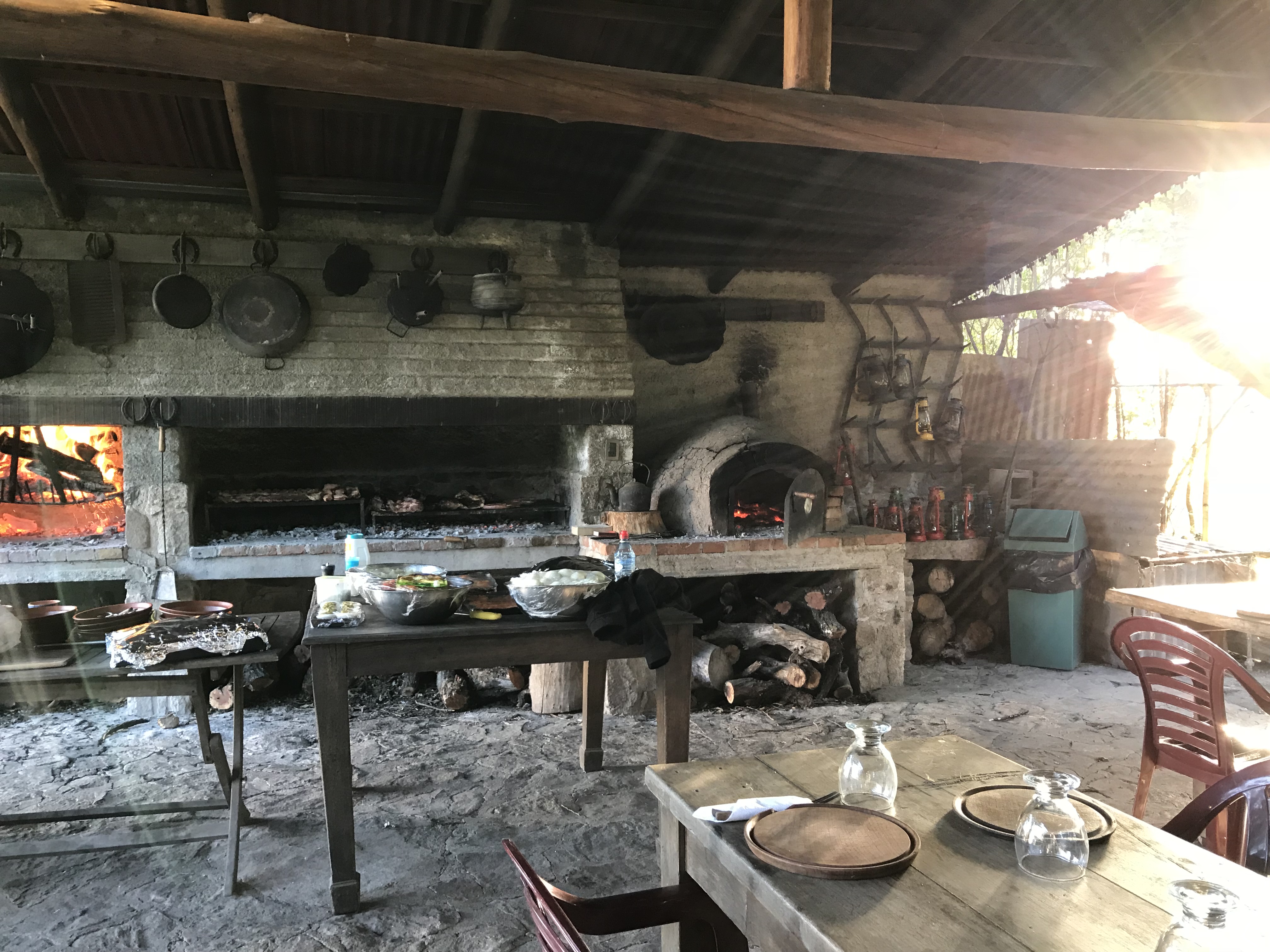
Argentine asado can be tough to recreate elsewhere because butchering methods vary by country, producing different cuts of meat and many European or North American barbecues are constructed differently
The Preparation of the Meat
Argentines prepare the meat for asado very simply; just with salt. They prefer not to use marinades.The asador will season the meat with coarse salt, but the true flavour of the asado comes from good grilling technique and high quality meat. Most Argentines prefer their meat cooked medium well or well done and often like the fattier cuts of meat, as this adds more flavour.
The Most Common Cuts of Meat at an Asado
At a typical asado, at least three of the following items will be prepared sausages and offal generally make an appearance first, followed by other cuts of meat. The normal cuts of meat are;
Chorizo (pork sausage seasoned with salt, black pepper, paprika, garlic)
Morcilla (blood sausage)
Salchicha Parrillera (thin sausage rolled in a large spiral)
Mollejas (sweetbreads)
Tira de Asado (short ribs)
Vacío (flank).
Bife de chorizo (sirloin steak)
Matambre (flank steak)
Achuras (offal)
Chinchulines (small intestines)
Riñones (kidneys)
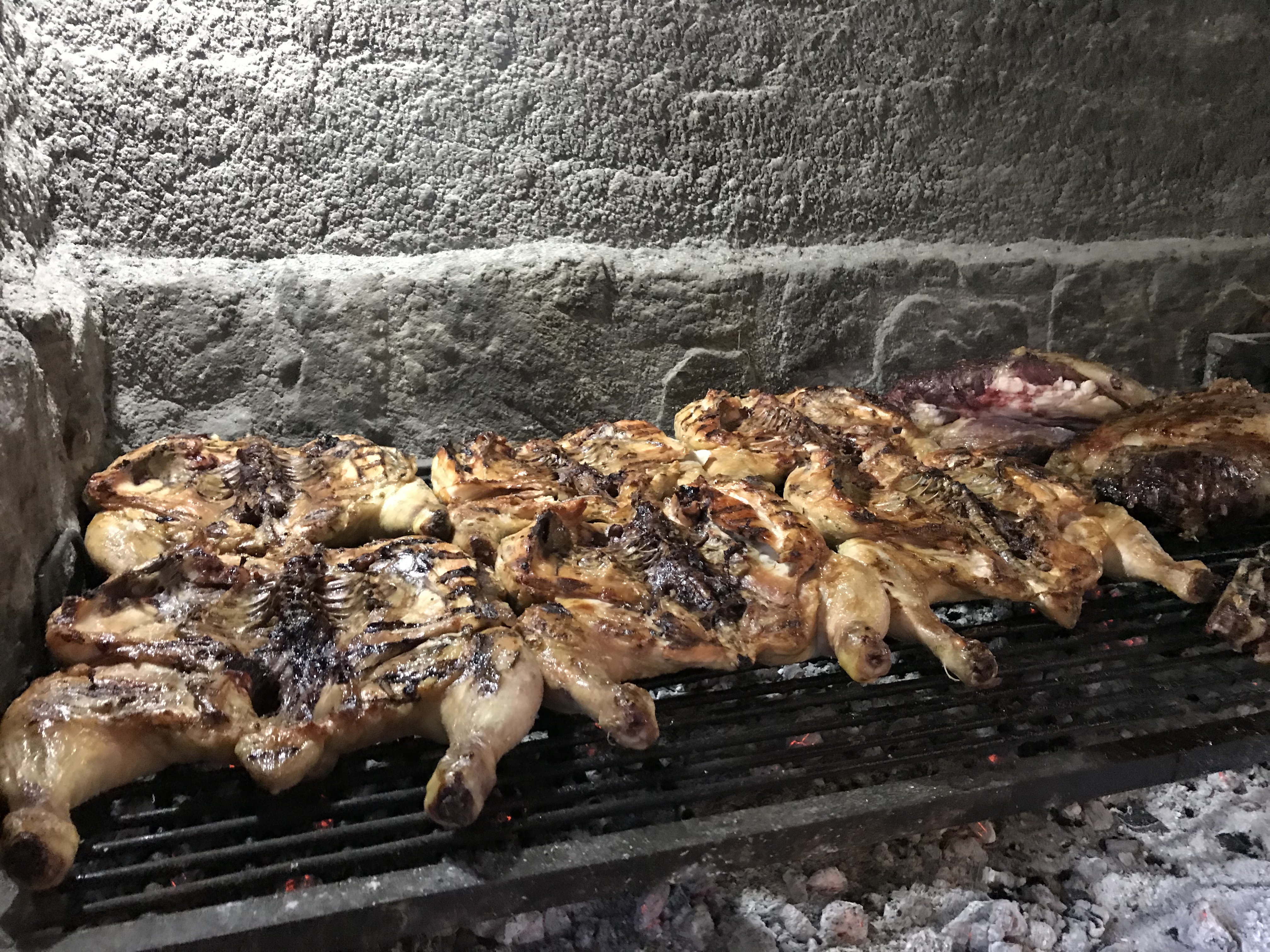
There may also be grilled chicken, pork or lamb offered as well. In Argentina, they grill a suckling pig on special occasions such as Christmas or New Year’s Eve.
Argentine asado’s are all about the meat, but there’s usually at least one or two token vegetables or non-meat dishes on offer. Provoleta, a grilled, gooey slab of provolone cheese, is a common appetizer. Potatoes, sweetcorn or bell peppers roasted make good accompaniments
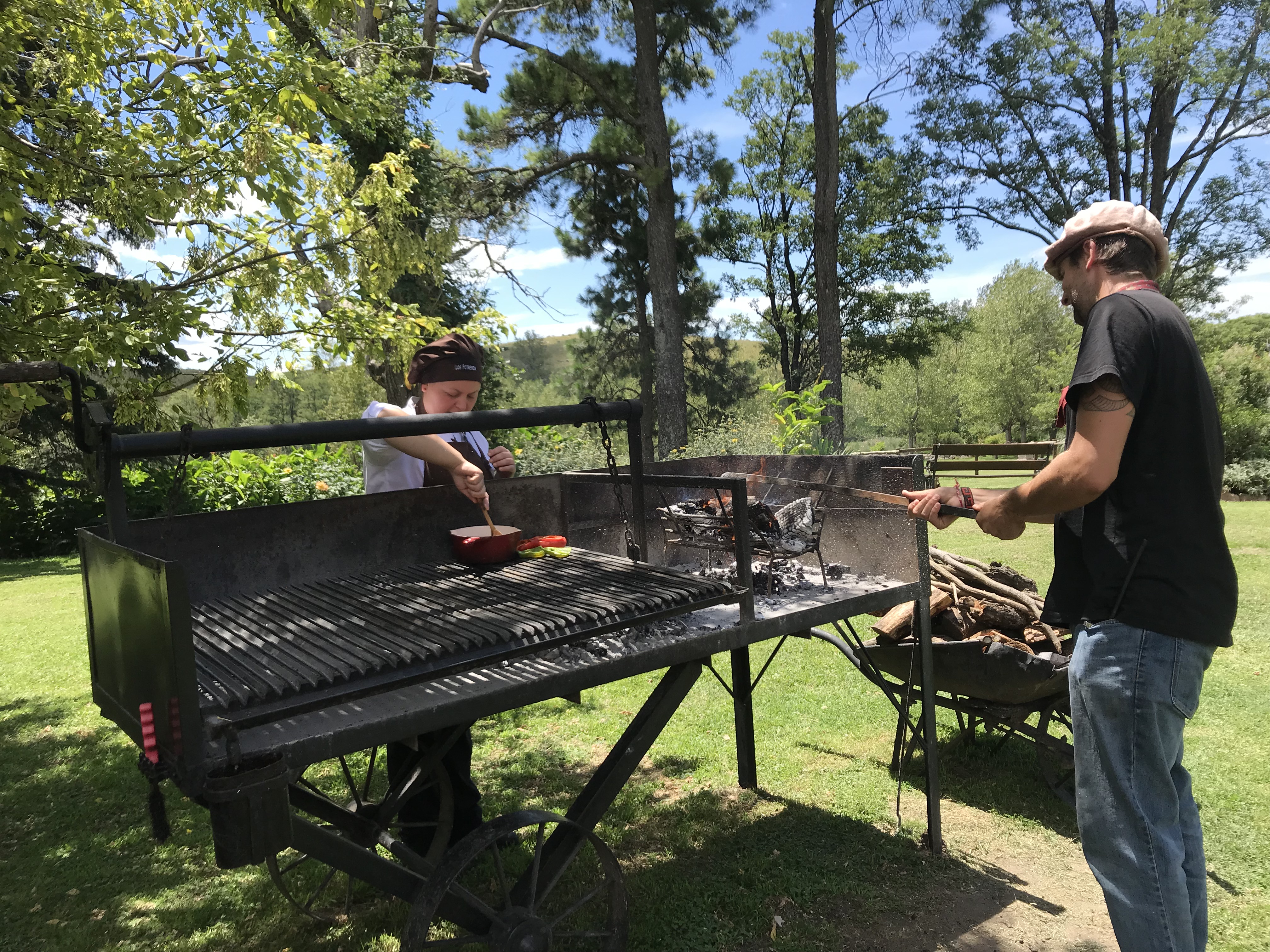
The person cooking is the asador – typically applauded at the end of the meal.
- Start the fire – dry wood creates better coals. Light the fire around 11.00 for a 2.00 lunch or earlier depending on the number of coals needed for cooking (will depend on quantity of meat) and type of wood
- Keep adding dry wood and once you have good coals place them under the parilla.
- Cook the meat on top – it takes a long time for well cooked meat so bare this in mind if cooking for argentines. Once you have coals under the parilla you can test to see if it is hot enough for cooking if you can hold your hand above for more than 10 seconds it needs more coals. Another sign to listen for is if you can hear the meat sizzling when you put it on the grill.
 Georgia In The Jungle